

Glen Finglas, Scotland
Details
Lochs Lakes and Waterfalls, Parks Gardens and Woodlands, Walking and Climbing
Address:
- Perth
- Perth and Kinross
- PH2 8BW
- Scotland
Opening Hours:
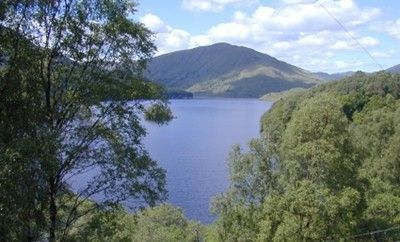
Open all year roundGlen Finglas Loch, Lake, Waterfall in Perth, Perth and Kinross, Scotland
Woodland and Conservation Area
Woodland historians also believe that this is one of the largest collections of ancient trees in Scotland. Hundreds of these veteran trees can be seen close to many of the trails.
John Ruskin was a regular visitor. His most famous portrait was painted at Brig O' Turk. Sir Walter Scott was similarly impressed and wrote poetically about the natural woodland of the area in the 1850s.
More recently, part of the glen was flooded to create a reservoir. A tunnel links it to nearby Loch Katrine. Both provide drinking water to millions of people who live in the city of Glasgow. When the reservoir was flooded the water covered old hay meadows and farmsteads. The remains of field walls can still be seen during periods of low water level.
Nearby Holiday Accommodation

Watergate
From £ 368.00 p/week

Garden Cottage
Pet & Dog Friendly
From £ 309.00 p/week

Stable Flat
Pet & Dog Friendly
From £ 348.00 p/week

Shortbread Cottage
Pet & Dog Friendly
From £ 334.00 p/week
Location Details and other Things to Do
Nearby Things to Do
Glen Finglas
Perth and Kinross, Scotland
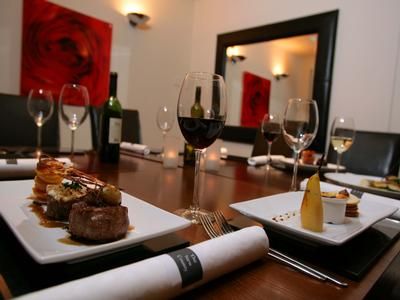
Opus One Restaurant
Perth and Kinross, Scotland

Scone Palace
Perth and Kinross, Scotland
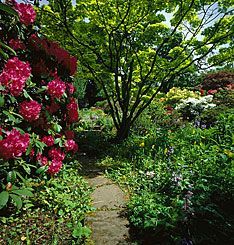
Branklyn Garden near Perth in Scotland
Perth and Kinross, Scotland

Deans at Let's Eat Restaurant
Perth and Kinross, Scotland

Gloagburn Farm Shop and Coffee Shop near Perth
Perth and Kinross, Scotland

63 Tay Street Restaurant
Perth and Kinross, Scotland
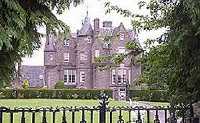
The Black Watch Museum
Perth and Kinross, Scotland
The Anglers Inn Guildtown
Perth and Kinross, Scotland
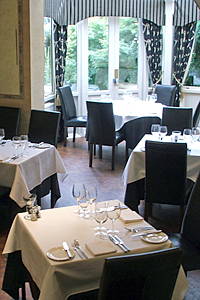
Acanthus Restaurant near Perth
Perth and Kinross, Scotland
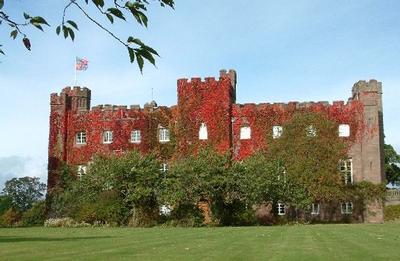
Scone Palace
Perth and Kinross, Scotland
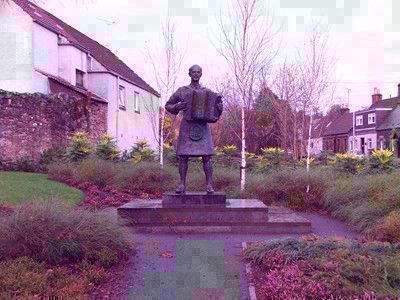
Sir Jimmy Shand Sculpture
Fife, Scotland
Nearby Accommodation Holiday Accommodation in Scotland
Watergate
From £ 368.00 p/week
Garden Cottage
Pet & Dog Friendly
From £ 309.00 p/week
Stable Flat
Pet & Dog Friendly
From £ 348.00 p/week
Shortbread Cottage
Pet & Dog Friendly
From £ 334.00 p/week

Lodge 12A
Pet & Dog Friendly
From £ 396.00 p/week

Avonal Lodge (24)
From £ 398.00 p/week

Tulchan Lodge
Pet & Dog Friendly
From £ 1,553.00 p/week

1 Middleton Cottage
Pet & Dog Friendly
From £ 465.00 p/week

32 Cruachan Lodge
From £ 291.00 p/week

Daisy Lodge
Pet & Dog Friendly
From £ 651.00 p/week

Lon Self Catering Cottage Blairgowrie Scotland
Pet & Dog Friendly
From £ 445.00 p/week

Muir Iosal Self Catering Cottage Blairgowrie Scotland
Pet & Dog Friendly
From £ 438.00 p/week